A creator can have a sharp idea, a strong script, and no time to film. That gap is where an एआई अवतार can change the creative process. Instead of waiting for the perfect setup, creators can build an on-screen presence that speaks, reacts, explains, and performs – then turn that presence into a short video designed for the feed.
This is not about replacing every real face with a digital one. It is about adding another format to the creator toolkit. For musicians teasing a release, gamers explaining a strategy, artists sharing a process, or small businesses making quick product stories, AI avatars can turn an idea into content with more speed and more visual identity.
What an AI Avatar Actually Does
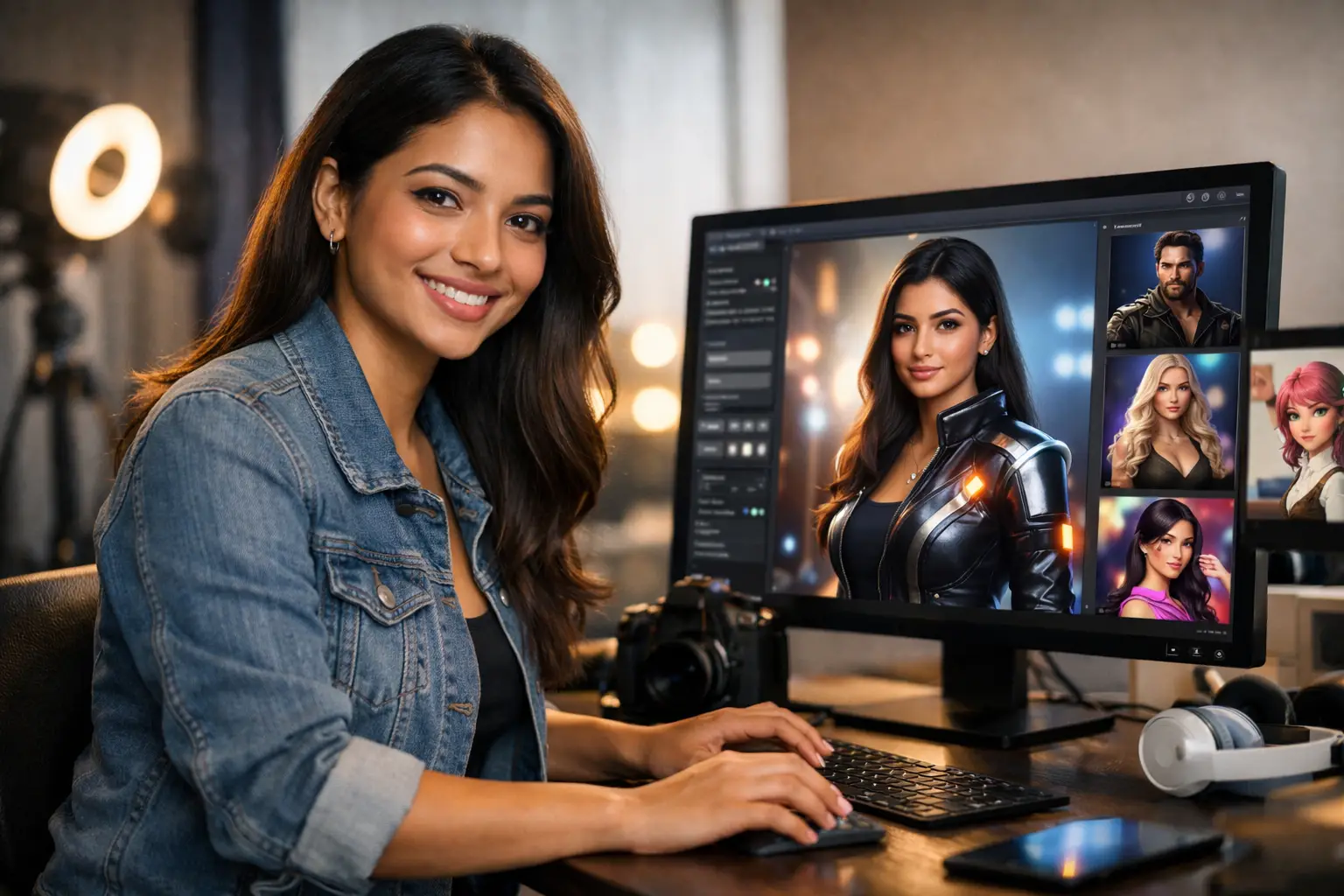
An AI avatar is a digital character or presenter that can represent a person, brand, or entirely fictional persona. Depending on the tool and format, it may speak from a written script, animate a photo, mirror facial expressions, or appear in a stylized 3D scene. The output can range from a realistic talking presenter to an illustrated character built for comedy, gaming, fashion, or music content.
For short-form video, the real value is not just automation. It is control. A creator can test a punchline without recording ten takes, explain a complicated idea with a consistent visual host, or create a recurring character that viewers recognize before they read the caption.
That consistency matters on fast-moving feeds. When every video looks unrelated, new viewers may enjoy one post but forget who made it. A recognizable avatar, color style, voice approach, or catchphrase gives an account a clearer identity.
Why AI Avatars Work in Short Video
Short videos reward the first few seconds. An expressive avatar can help creators begin with a strong visual hook: a character reacting to a hot take, a virtual host delivering a challenge, or a stylized version of the creator introducing a new series.
AI avatars also make certain content formats easier to repeat. Consider a finance creator who wants to post daily explainers but does not want to be on camera every day. Or a comedian building a cast of fictional personalities. Or a musician who wants an animated persona to announce new tracks while protecting their off-camera privacy. In each case, the avatar becomes a production asset rather than a one-off gimmick.
The format is especially useful when the content idea is bigger than the available production time. A short script, a strong voiceover, music, captions, and an avatar can create a polished post without a studio. The result still needs creative direction, but the barrier between concept and publishable video becomes much lower.
एआई अवतार Should Add Personality, Not Remove It
The easiest mistake is choosing a generic avatar, feeding it generic text, and expecting the technology to create connection on its own. It will not. Viewers can spot empty, overly polished content quickly. A digital presenter with no opinion, no rhythm, and no recognizable point of view becomes background noise.
The creator still supplies the part that matters most: perspective. Write like a person, not a brochure. Use specific observations, local references when relevant, real reactions, and a clear reason for the video to exist. If your avatar is funny, let it be consistently funny. If it is calm and informative, give it a voice that feels useful instead of robotic.
Think of the avatar as a character in your creative world. What does it care about? How does it speak? What kind of videos would it never make? Those answers create a stronger persona than selecting a face and pressing generate.
Build a Video Around One Clear Job
An avatar video performs best when it has a focused purpose. Trying to explain five ideas in 20 seconds usually creates rushed dialogue and weak retention. Before generating anything, decide whether the post should entertain, teach, tease, react, or invite participation.
A gaming creator might use an avatar to introduce a quick challenge and ask followers to post their own score. A beauty creator could use one to narrate a before-and-after transition. A food creator may build an animated host that rates unusual snack combinations suggested by the community. The avatar gives the series a recognizable face, while the audience gives it momentum.
Keep the script conversational and short. Read it aloud before creating the video. If a sentence sounds unnatural when spoken by you, it will likely sound even less natural through a synthetic voice. Cut filler, lead with the payoff, and make the final line invite a reaction, comment, remix, or follow.
Choose the Right Style for the Content
Realistic avatars can work well for tutorials, announcements, educational clips, and professional explainers. They can make information feel direct and approachable, especially when paired with clean captions and a natural-sounding voice.
Stylized avatars often work better for entertainment. Animated characters, game-inspired personas, comic designs, and surreal digital looks can make a video feel more native to trend culture. They also give creators room to exaggerate reactions and create visual moments that would be difficult to film.
The trade-off is trust. If you are discussing a serious subject, presenting a highly realistic avatar as if it were a real person can confuse viewers. If the character is fictional, say so. If the voice is generated, do not use it to impersonate someone else. Creativity grows faster when audiences know what they are watching.
Keep the Human Signals in the Edit
An avatar alone is rarely enough to hold attention. The video needs pacing. Add captions that emphasize key words, cut pauses that feel too long, use music that supports the mood, and switch visual elements before the frame becomes static.
This is where AI creation and hands-on editing should work together. Use the avatar for the delivery, then add your own screen recordings, photos, clips, reactions, product shots, meme-style text, or AR effects. The final post should feel made for your audience, not generated from a template.
Short Flixx creators can approach this as a full creative workflow: shape an idea, turn text or photos into video elements, layer in music and effects, then publish with a caption and hashtags that give the right community a reason to find it. The technology may speed up production, but discovery still depends on making content people want to share.
Trust Is Part of the Creative Strategy
AI avatars create exciting possibilities, but they also require clear boundaries. Never build an avatar that imitates a real person without permission. Do not use a cloned voice to mislead viewers. Avoid presenting fictional testimonials, fake reactions, or manipulated footage as real events.
Transparency does not make content less entertaining. Often, it makes the concept more interesting. Viewers may follow because they want to see how a creator develops a digital character, tests new visual styles, or combines real footage with AI-generated scenes. Let them in on the experiment.
Privacy deserves the same attention. If you use a photo to create an avatar, make sure you have the right to use that image. If the avatar represents your brand, decide in advance what it can say, where it can appear, and how you will handle comments that confuse it with a real person.
Make the Avatar a Reason to Return
The strongest AI avatar strategy is not a single impressive post. It is a repeatable creative format. Give the character a role in your channel: the host of a weekly trend recap, the narrator of your gaming wins and fails, the animated voice behind music teasers, or the personality that answers audience questions.
Then leave room for change. Let comments shape the next episode. Introduce new expressions, outfits, backdrops, and storylines. Bring your real self into the frame when it adds value. A digital persona can make production more flexible, but the community should still feel that there is a real creator listening on the other side.
The best AI avatar is not the most realistic one. It is the one that makes your next idea easier to share, gives your audience something memorable to recognize, and keeps your creative voice unmistakably yours.