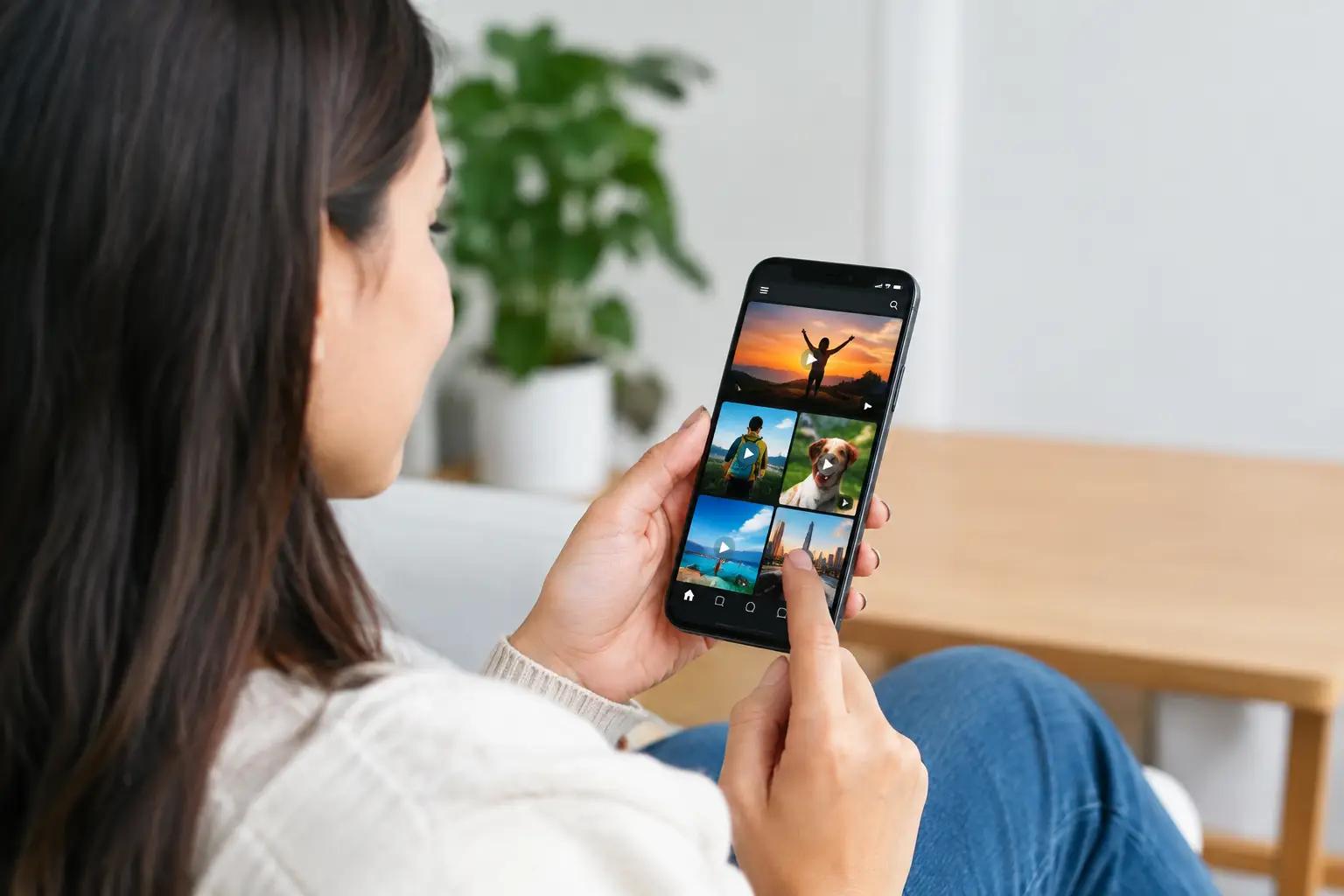
A great short video can disappear in minutes if people and platforms cannot quickly understand who it is for. What makes videos discoverable is not one lucky hashtag or a single viral moment. It is the combination of a clear idea, an attention-grabbing opening, useful context, and real signals that viewers want more.
For creators, discoverability is how a video reaches beyond followers and finds people who care about the joke, song, gaming clip, recipe, transition, or point of view. On a mobile-first platform, every detail helps the system connect your content with the right audience – from the words on screen to the sound you choose and the way viewers respond.
What Makes Videos Discoverable?
Discoverable videos are easy to categorize and rewarding to watch. A viewer should understand the premise almost immediately, while the platform should have enough information to place the video beside related content, sounds, creators, and searches.
That means discoverability sits at the intersection of creative choices and publishing choices. Your video needs a recognizable topic, but it also needs to hold attention. A polished edit with no clear subject can confuse viewers. A perfectly written caption cannot save a video that loses people in the first second.
The strongest short-form posts make a simple promise: “Watch this and you will get something specific.” It may be a laugh, a makeup technique, a new track, a gaming payoff, a relatable campus moment, or an impressive AI-generated visual. The promise should be clear before the viewer scrolls away.
Start With a Clear, Searchable Idea
Creators often think of discoverability as a publishing problem. It starts earlier, when you choose the video idea. Broad concepts such as “my day” or “random thoughts” can work when you already have a loyal audience, but they give new viewers little reason to stop.
Give the idea a sharper frame. Instead of a generic dance post, make it “three transitions for a wedding dance reel.” Instead of posting a gameplay highlight without context, lead with “the one move that saved this final round.” Instead of “new song,” tell viewers whether it is an original hook, a remix, an acoustic version, or a beat made with AI music tools.
Specificity does not make content boring. It makes the audience easier to find. A niche can be a strength because it helps viewers recognize that the video was made for them. The goal is not to narrow your creativity forever. It is to give each post a clear entry point.
Let the first second carry the premise
The opening frame matters because short-video viewers make fast decisions. Start with the finished look, funniest reaction, surprising result, or key question. Then show how you got there.
For example, an AR creator can open with the final immersive effect before showing the setup. A comedian can start with the most recognizable line of the situation. A food creator can show the crispy final bite before the recipe begins. This is not about misleading people with clickbait. It is about respecting their attention and delivering on the moment you introduced.
Text overlays can reinforce the hook, especially when someone is watching without sound. Keep them readable and direct. “I tested this viral edit in 10 minutes” is clearer than “You will not believe this.” The first line tells people what they are about to receive.
Give Search and Recommendation Systems Context
A platform cannot recommend what it cannot understand. Captions, hashtags, sounds, spoken words, and on-screen text all help provide context around your video.
Write captions like a human who wants to be found, not like a machine trying to stuff keywords into every line. If you created an AI music track for a fitness montage, say that naturally. If your video is a tutorial for a photo-to-video transformation, name the outcome and the creative tool or format. Include details a viewer might actually search for.
Hashtags work best when they organize a video into relevant conversations. Use a focused mix of topic tags, format tags, and community tags. A musician sharing an original Hindi hook may use a tag for original music, a tag connected to the genre, and a tag that fits the current creative trend. Adding a long string of unrelated popular tags can weaken the signal rather than expand reach.
Sounds matter, too. When a sound is gaining momentum, using it in a way that fits your own style can put your video in front of people exploring that audio. But trend participation only works when the trend supports the idea. Forcing every post into the same sound or format can make your content feel interchangeable.
Retention Is the Signal You Earn
Metadata helps a video get understood. Retention helps it get repeated. When viewers stay, replay, share, comment, or visit your profile, they are showing that the content created real interest.
Pacing is a major part of that. Remove pauses that do not add emotion, information, or anticipation. Change the visual when the energy drops. If you are teaching something, show the steps while you explain them. If you are telling a story, make sure each line moves the story forward.
There is a trade-off here. Faster is not always better. A cinematic art video, emotional performance, or detailed tutorial may need breathing room. The question is whether every second earns its place. Slow content can perform well when it creates suspense, beauty, comfort, or genuine value. Empty content feels slow no matter how short it is.
Endings deserve attention as well. A satisfying reveal, a useful final tip, a punchline, or a natural loop can increase completion and replays. Do not stretch a 12-second idea into 45 seconds just to make the post longer. Short videos benefit when the format matches the idea.
Build Community Signals, Not Just Views
Discoverability grows stronger when a video gives people a reason to respond. Comments, shares, saves, follows, gifts, and live interactions show that a creator is building more than passive views.
Invite conversation with a real prompt tied to the post. A fashion creator might ask viewers to choose between two looks. A gamer can ask which strategy they would use. A musician can ask followers to help pick the next verse. The best prompts are easy to answer and feel like part of the content, not an engagement trick pasted onto the end.
Then stay present. Reply to comments, recognize thoughtful feedback, and continue ideas that your audience responds to. If several viewers ask how you made an AI visual, that is a signal for a follow-up tutorial. If a live stream produces a running joke, turn it into a short video that gives the community something to share.
This is where creator monetization and discovery can support each other. Premium content, subscriptions, tipping, and gifts are most sustainable when people already feel connected to the creator behind the video. Reach may introduce you to new viewers, but interaction gives them a reason to stay.
Use AI and AR as Creative Advantages
AI and augmented reality can make a video more visually distinctive, but effects alone do not guarantee reach. The audience still needs a story, a reaction, or an idea worth watching.
Use AI-generated video, photo-to-video formats, and AI music to create concepts that would otherwise be difficult to produce. An artist can turn a sketch into a moving visual story. A lifestyle creator can build a stylized mood sequence around an original voiceover. A comedian can use an unexpected AR effect as the setup for a character bit.
The key is to make the technology serve the content. Ask what the effect adds: Does it make the emotion stronger? Does it clarify the joke? Does it create a visual people will want to share? If the answer is yes, the feature becomes part of your creative identity instead of a temporary gimmick.
Review the Right Patterns
Do not judge every post only by views. Look for patterns across several videos. Which hooks lead to more completions? Which topics bring comments from the kind of audience you want? Which sounds, captions, or posting times bring profile visits and follows?
Test one meaningful variable at a time when possible. Try a stronger first frame on the next tutorial. Make a shorter version of a recurring series. Use a clearer caption for a post that has a niche audience. Small experiments create useful data without turning your creative process into a spreadsheet.
Short Flixx gives creators room to combine video, music, AI creation, AR expression, search, and community interaction in one place. Use those tools to make your content more recognizable, not more complicated. The video that gets discovered is often the one that makes its value obvious, delivers it quickly, and leaves viewers with a reason to come back.