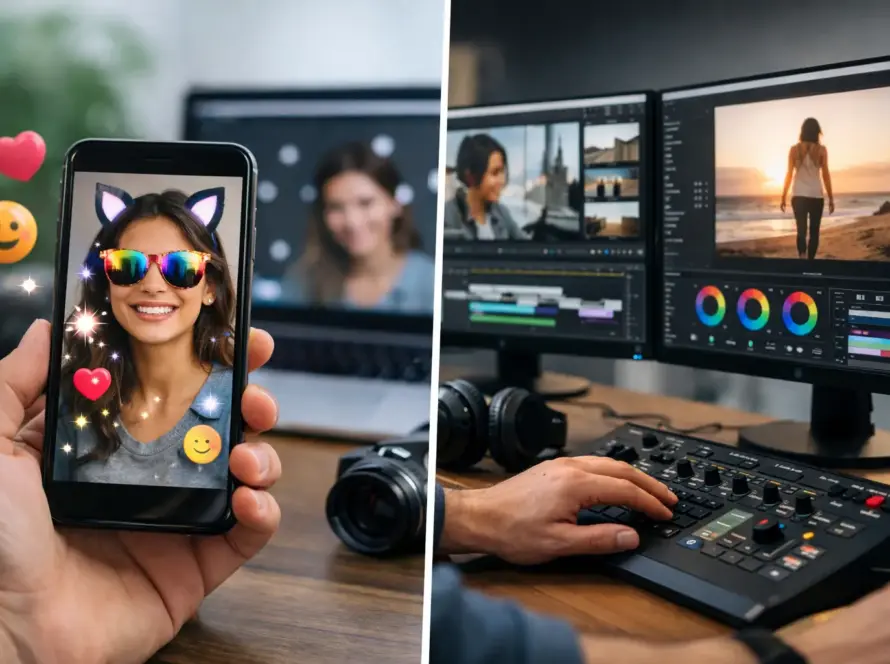
A comedy sketch filmed between classes. A beat made on a phone during a train ride. A makeup transition that turns into a paid subscriber community. That is the real promise behind creator apps India – not simply making content faster, but giving more people a way to turn everyday ideas into something seen, shared, and supported.
For India’s mobile-first creators, the best app is rarely the one with the longest feature list. It is the one that removes friction between an idea and an audience. It should let a beginner create confidently, help a growing creator find their people, and give an established voice practical ways to earn. The difference matters because views alone do not build a creative career. Connection does.
Why Creator Apps in India Are Becoming Creative Studios
Short-form video has changed the starting line. A creator no longer needs a camera crew, editing suite, or production budget to make something polished enough to stop a scroll. A phone, a point of view, and the right creation tools can be enough to start.
But “easy to create” is only the first layer. The creator economy is moving toward all-in-one spaces where users can record, edit, discover sounds, publish, talk to fans, go live, and monetize without jumping across a stack of disconnected apps. That shift is especially useful for creators who are building alongside college, a job, a small business, or a personal passion.
The next generation of platforms is also changing what counts as production value. AI video generation, photo-to-video formats, text-led visual concepts, AI music, and AR effects can turn a simple idea into a more expressive piece of content. Used well, these tools do not replace a creator’s personality. They give that personality more ways to show up on screen.
There is a trade-off, though. Effects cannot rescue content with no point of view. A visually impressive video may earn a quick glance, while a clear joke, a useful tutorial, an original performance, or a strong opinion gives people a reason to return. Technology should amplify the idea, not become the idea.
What Great Creator Apps India Should Offer
A creator app should feel intuitive on a first upload and still have room to grow with its users. The core experience begins with recording or uploading footage, trimming clips, adding music, applying filters, and publishing with captions and hashtags. Those basics need to be fast. If posting feels like work every time, consistency becomes difficult.
The better question is what happens after publication. Can viewers find a video through hashtags, sounds, categories, or search? Can they follow the creator, leave meaningful comments, share a gift, or join a live stream? Can the creator keep a conversation going through chat while choosing who sees a post through privacy controls? Creation and discovery need to work together.
A strong platform also gives people a reason to participate rather than just watch. Trends can bring reach, but community gives a creator staying power. A musician may share early hooks and ask followers which chorus lands best. A gamer can turn live moments into clips, then continue the conversation with fans. A lifestyle creator can make a premium post for their closest supporters without placing every idea behind a paywall.
That is why monetization should not be treated as a last-stage feature. Tipping, subscriptions, premium-content sharing, in-chat gifts, and live-stream gifts give audiences different ways to back work they value. Not every creator will use every option. A comedian may benefit from live gifting, while an educator may prefer subscriptions. The goal is choice, not pressure.
AI and AR Need a Creative Purpose
AI and AR are at their best when they help creators make a format feel unmistakably theirs. An artist can animate a still image into a visual teaser. A storyteller can create a concept video from text. A performer can build a mood around an original AI-generated track. AR can add character, motion, and interaction to a quick piece of entertainment.
The key is to use these tools with intent. Pick one visual idea that supports the mood of the video instead of stacking every available effect into 15 seconds. A clean visual with a confident hook usually feels more memorable than an overloaded edit.
Creators should also be transparent when AI significantly shapes a piece of content, especially when a video could be mistaken for a real event, person, or performance. Trust is part of the creator-fan relationship. It is worth protecting from the beginning.
Build a Creator Workflow You Can Repeat
The creators who grow are not necessarily posting all day. They have a repeatable system. Start by choosing a content lane broad enough to give you ideas and specific enough that viewers understand why they should follow. “Gaming” is broad. “Funny mobile-game fails with commentary” gives people a clearer expectation. “Music” is broad. “Acoustic versions of current mood songs” is easier to recognize.
From there, create in batches. Record several hooks, reactions, transitions, or behind-the-scenes moments in one session. Edit a few at a time, then schedule your own posting rhythm around when you can actually respond to viewers. A three-post weekly rhythm with real community interaction is often more sustainable than daily uploads followed by silence.
Use a simple structure for short videos: earn attention immediately, deliver one clear idea, then give the viewer a reason to react. The opening might be a surprising statement, a visual change, a question, or the payoff shown first. The middle should not wander. End by inviting a genuine response, such as asking fans to choose the next song, challenge, look, or game.
Do not rely on trends alone. Trend participation can introduce your content to new viewers, but original recurring formats help people remember you. A creator might post one trend-led video, one community-led video, and one signature format each week. That mix balances reach with identity.
From Views to a Community That Stays
A follower count is visible. Community health is less obvious and more valuable. Look for signs that people recognize your format, respond to your questions, return to live sessions, and support the work in ways that go beyond a single like.
Reply to comments with care, especially early on. A thoughtful reply can turn a casual viewer into a regular. Use chat as a space for real connection rather than a broadcast channel. During live streams, acknowledge people by name, set a theme, and give viewers small ways to shape the session. If you promise a Q&A, a performance, a game challenge, or a first look, deliver it.
Privacy controls belong in this conversation too. Not every post needs to reach everyone. Creators may want to test a more personal format with a limited audience, share a premium video with subscribers, or keep some experiments private. Control over visibility gives creators room to explore without making every upload feel like a public referendum.
For fans, choice matters as well. Some people want trending entertainment. Others want a quieter, ad-free viewing experience or deeper access to a creator they already follow. A healthy platform makes both kinds of participation possible.
Choose Tools That Match Your Next Stage
A new creator may care most about easy editing, music, effects, and discoverability. A creator with an engaged audience may care more about live streaming, direct communication, privacy settings, and revenue options. A small publisher may need search visibility, content organization, and ways to build multiple recurring formats.
There is no single perfect setup. The right choice depends on what you make, how often you can show up, and how you want your audience to participate. But an app that brings AI-powered creation, immersive AR, community features, and direct earning tools into one mobile-first experience gives creators more room to experiment without losing momentum. Short Flixx is built around that idea: helping people turn expressive short videos into active communities and real creative opportunities.
Your first videos do not need to look like a finished career. Make the next one clear, true to your style, and easy for someone to respond to. Then listen closely to the people who do.