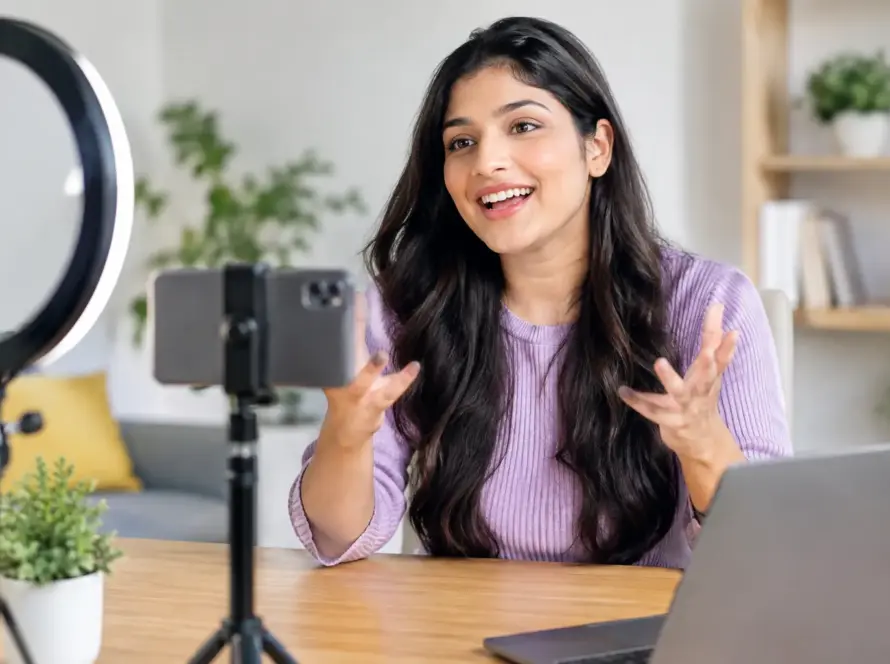
A single photo becomes a cinematic scene. A rough idea becomes a voiceover, beat, visual style, and 20-second story before the creator loses momentum. That is why the एआई मनोरंजन वीडियो ट्रेंड is bigger than another editing shortcut. It is changing what audiences expect from short-form entertainment – and who gets to make it.
For creators, the shift is exciting because production barriers are falling fast. You do not need a full studio, a large crew, or advanced editing skills to test a concept with striking visuals. But AI does not automatically make a video worth watching. The creators who stand out will use it to sharpen an original point of view, not to produce more of the same content at higher speed.
Why the AI Entertainment Video Trend Is Growing
Short-form feeds reward an immediate reaction. A viewer decides within seconds whether a video feels funny, surprising, emotional, useful, or familiar enough to share. AI gives creators more ways to create that reaction: a fantasy transformation, a mini music video, an animated conversation, a surreal comedy setup, or a photo that turns into a moving memory.
The real appeal is creative range. A comedian can place a character in impossible situations without a location shoot. A musician can develop visualizers for multiple song snippets. A gamer can turn a highlight into a stylized trailer. A lifestyle creator can build a recurring visual universe that feels recognizable from one post to the next.
This matters especially for emerging creators who have ideas but limited time, equipment, or budget. AI-assisted creation can shrink the gap between concept and first draft. Instead of waiting for a perfect setup, creators can publish, learn from audience response, and improve the next version.
Still, faster creation also means more competition. If every video relies on the same transformation template, robotic voice, or generic fantasy visual, viewers notice quickly. The trend is moving away from AI for spectacle alone and toward AI with a clear creative purpose.
The Formats Audiences Are Actually Watching
Photo-to-video storytelling
Photo animation works best when it adds emotion or movement to a story people already care about. Think old family photos brought to life for a personal narrative, an outfit sketch transformed into a fashion concept, or a travel image turned into a dreamlike scene. The image is the hook, but the creator’s context gives it meaning.
A simple caption such as why this moment mattered can outperform a technically impressive animation with no story behind it. Entertainment becomes more memorable when the audience has a reason to feel something.
Text-to-video mini worlds
Text-to-video tools are making high-concept visual storytelling more accessible. Creators can prototype fictional trailers, alternate-reality comedy, fantasy scenes, music visuals, and short narrative episodes without traditional production resources.
The trade-off is consistency. AI-generated scenes can shift faces, props, lighting, and character details from shot to shot. Rather than hiding every imperfection, smart creators build formats that work with the medium: fast cuts, narration, stylized worlds, and intentionally surreal humor. A polished idea with a few odd details is often more entertaining than a flawless video with nothing to say.
AI music and sound-led edits
Sound has always driven short-form discovery. AI-generated music now gives creators another way to shape an original identity, whether that means a custom beat for dance content, a dramatic score for storytelling, or a playful jingle for a recurring series.
Original audio can help a format feel ownable, but creators should stay careful about rights and attribution. Use sounds you have permission to use, understand a platform’s audio rules, and avoid presenting generated work as if it came from a real artist. The goal is creative expression, not confusion.
AR effects with a reason to exist
Immersive AR is strongest when it changes the joke, challenge, or story. A face filter alone may earn a glance. A filter that lets viewers guess a character, enter a themed challenge, or react to a transformation creates participation.
This is where short-form entertainment becomes community entertainment. Viewers do not just consume a trend. They remix it, respond to it, and add their own personality to the format.
What Makes an AI Video Feel Human
The strongest AI videos tend to have one thing in common: the human decision is obvious. The creator has chosen the premise, timing, voice, references, pacing, and emotional angle. AI may generate parts of the visual experience, but it does not replace taste.
Start with a sentence that explains the video before you open a tool. For example: a struggling musician imagines their first arena show, or a roommate argument plays out in five different movie genres. That sentence gives the video a direction. Then use AI to build the setting, visuals, transitions, or music around it.
Keep the opening specific. Generic prompts and vague captions create generic results. A stronger hook names the tension: what happens when your AI avatar gets more attention than you do? Can a childhood drawing become a movie scene? Which version of this character would survive a zombie game?
Then give viewers a role. Ask them to choose the next scene, duet the premise, use the sound, or share their own version. Passive views are valuable, but participation builds a format that can travel beyond one post.
Build a Repeatable Creative System
Creators do not need to use AI in every frame. A better approach is to decide where it saves time and where your own presence matters most. Use it to brainstorm visual concepts, generate a background, create an opening transition, or test several edit directions. Keep your real voice, reactions, and experiences at the center when they are the reason people follow you.
A repeatable series is more powerful than a one-off experiment. You might create weekly fictional trailers, AI-powered style transformations, animated storytimes, alternate endings for popular situations, or audience-submitted photo concepts. Repetition gives followers something to recognize while leaving room for each episode to feel new.
On a platform such as Short Flixx, creators can pair AI video tools and immersive effects with hashtags, searchable sounds, comments, and direct audience interaction. That combination matters because a trend needs discovery, but it also needs a place for the audience to respond. When a series starts attracting loyal viewers, premium posts, subscriptions, tips, and gifts can turn consistent creative work into a more direct creator opportunity.
The Trust Test: Consent, Disclosure, and Originality
AI entertainment has a responsibility problem as well as a creativity opportunity. Realistic synthetic visuals can confuse viewers, particularly when they depict public figures, friends, family members, or private individuals. Never create deceptive content that could damage someone’s reputation, impersonate them, or use their image without permission.
Be clear when a video includes significant AI generation, especially if it could be mistaken for a real event, performance, or person. Disclosure does not make content less entertaining. For many viewers, seeing how an ambitious scene was created adds to the experience and builds trust.
Originality also matters. Copying a viral prompt word for word may deliver a quick post, but it rarely creates a lasting audience. Add a local reference, a personal story, a distinctive visual rule, or an ongoing character. The more recognizable your creative choices become, the less replaceable your content feels.
Where the Trend Goes Next
The next phase of AI entertainment will be less about proving that AI can generate a video and more about making videos that invite people into a world. Expect more recurring AI characters, interactive story branches, creator-made microseries, music-driven visuals, and AR challenges built for response rather than passive scrolling.
The winning creators will not be the ones who press generate most often. They will be the ones who know what their audience laughs at, feels, remixes, and returns to see. Use AI to make the impossible easier to produce, then make it unmistakably yours.