A digital presenter looks into the camera, smiles at the right moment, and delivers a clean script in seconds. Then it pauses a fraction too long before saying a name, or its hands drift strangely at the edge of the frame. That split second is why the question क्या एआई अवतार असली लगते matters to creators. The answer is not simply yes or no. A strong AI avatar can feel convincing enough to hold attention in a short video, but believability depends on the choices behind it.
For creators, the goal is not always to make an avatar indistinguishable from a real person. The better goal is to make it expressive, consistent, and right for the content. A gaming update, a product explainer, a music teaser, or a fictional sketch can benefit from an AI host even when viewers know it is digital. The magic happens when the avatar adds energy instead of pretending to be something it is not.
What makes an AI avatar feel real?
People do not judge realism from a face alone. They notice whether several small signals agree with each other: voice, timing, eye contact, facial expression, movement, lighting, and the setting. When those signals match, viewers quickly accept the character on screen. When one feels off, the effect can break.
Voice is often the biggest factor. An avatar with a natural-sounding voice, clear pacing, and the right emotional emphasis can feel more believable than a highly detailed face paired with flat narration. A creator explaining a new challenge should sound excited. A storyteller needs pauses that build tension. A comedy clip needs rhythm. If every line has identical energy, the audience will sense that something is missing before they can explain why.
Movement comes next. Real people make tiny, imperfect motions while speaking: a slight head tilt, a blink, a change in posture, a quick glance away from the lens. Advanced avatar tools can recreate much of this, but exaggerated gestures or repetitive expressions still stand out. In a vertical video, where viewers are watching closely on a phone screen, subtle movement usually works better than constant animation.
Context also changes the standard. A polished avatar announcing a channel series can look completely at home in a graphic, futuristic setup. Put that same avatar into a realistic street interview scene, however, and viewers may expect a much higher level of visual accuracy. The more realistic the environment, the more every detail has to hold up.
The uncanny valley is real, but it is not the whole story
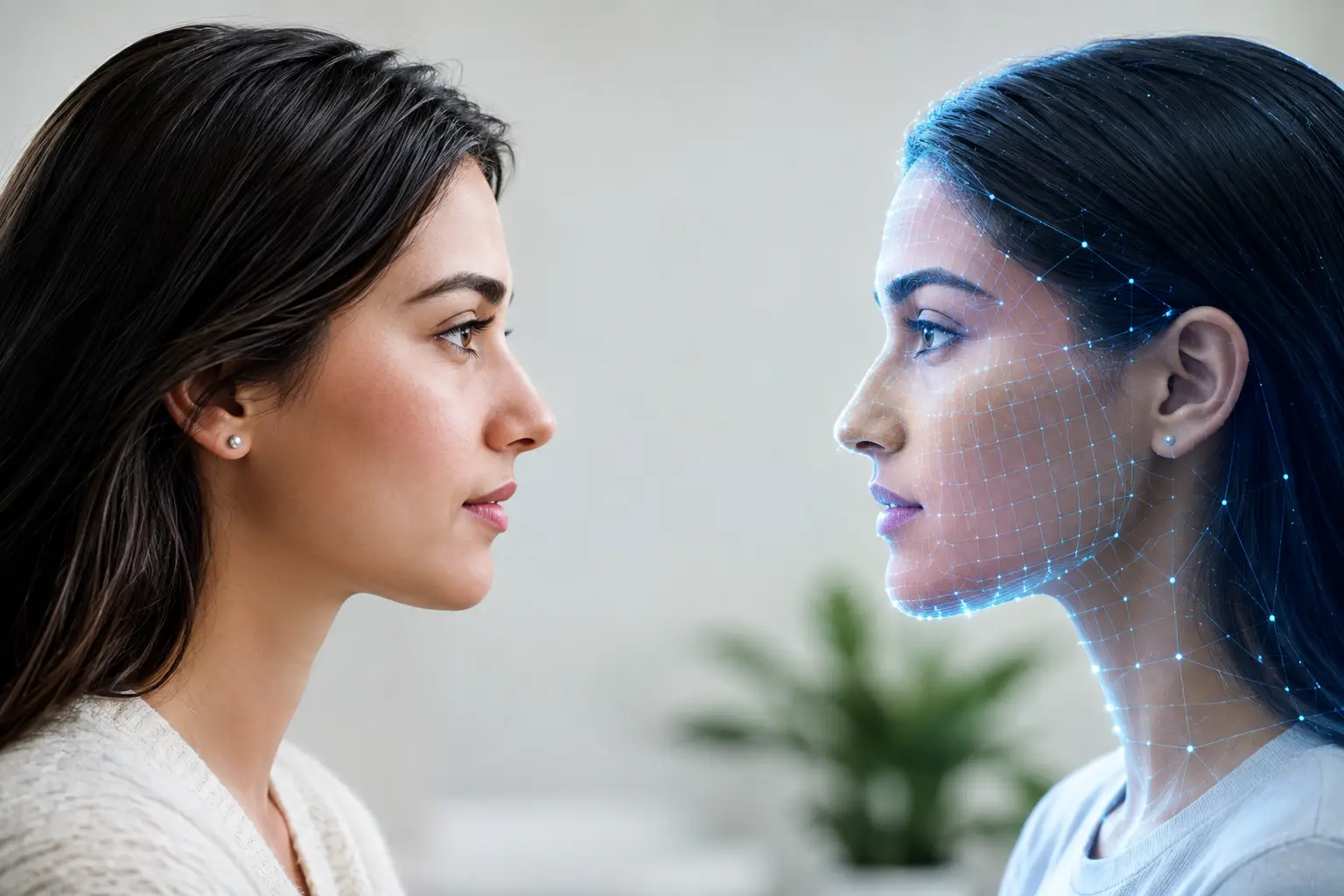
The “uncanny valley” is the uncomfortable feeling some people get when something looks almost human but not quite. It can appear when lip movements do not match speech, eyes look fixed, skin looks overly smooth, or emotions change too suddenly.
But creators should not treat the uncanny valley as a reason to avoid avatars. It is a creative direction problem. A stylized, animated, futuristic, or clearly virtual character often feels more appealing than a near-photorealistic avatar that falls just short. Viewers are comfortable with visual styles when the style feels intentional.
That is why a neon virtual DJ, an anime-inspired storyteller, or a bold 3D comedy character can earn stronger engagement than a digital copy of a corporate presenter. The character has its own identity. It is not competing with reality frame by frame.
When AI avatars work best in short video
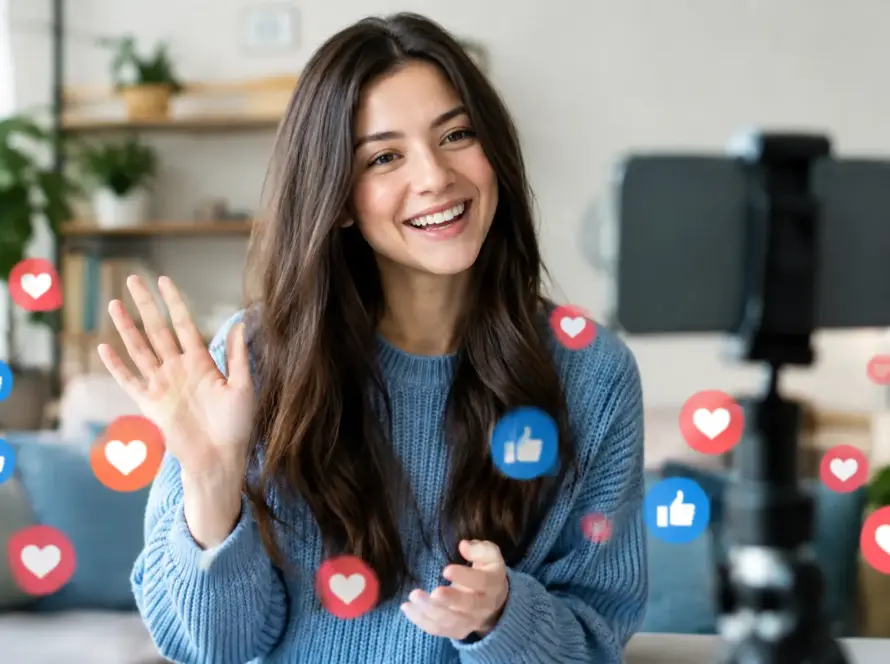
AI avatars are especially useful when speed and consistency matter. A creator who has an idea at midnight can turn a script into a presentable video without setting up lights, finding a quiet location, or appearing on camera. That can remove a real barrier for beginners, introverted creators, and anyone building content around a busy schedule.
They also help when a channel needs a recurring face. A digital host can introduce weekly gaming highlights, explain app features, narrate history facts, react to music drops, or guide viewers through a series. The host remains visually consistent while the creator experiments with scripts, backgrounds, music, and effects.
Short videos benefit from this because the first few seconds carry so much weight. A recognizable avatar can become a visual signature. When viewers see the same character, color palette, and delivery style repeatedly, they begin to recognize the format before they even read the caption.
On a platform built for next-generation creative expression, such as Short Flixx, avatars can sit alongside AI-generated video, music, and AR effects rather than replace every human moment. A creator might use an avatar for a fast tutorial intro, then cut to their own reaction, gameplay, dance, artwork, or behind-the-scenes footage. That mix feels more alive than relying on one format for every post.
What makes viewers stop trusting an avatar?
Believability is not only technical. It is also about honesty. Viewers are usually open to virtual characters when the content is entertaining, useful, or imaginative. Trust drops when an avatar is used to fake a real person, imitate someone without permission, or make claims that sound personal but have no clear source.
Creators should be especially careful with endorsements, financial advice, health claims, news-style clips, and emotionally sensitive stories. A realistic avatar can make a statement feel authoritative even when the information is weak. A clean visual is never a substitute for accurate content.
There is also a creative cost to overusing automation. If every video uses the same voice, same gestures, and same script pattern, followers may scroll past even if the avatar looks realistic. Community grows through point of view. Your jokes, taste, opinions, editing choices, and replies to comments are what turn a digital format into a creator brand.
How to make AI avatars feel more believable
Start with a script written for speech, not for an essay. Short sentences land better. Use contractions, direct questions, and natural transitions. Read the words aloud before generating the video. If the line feels awkward coming from you, it will probably feel even more awkward coming from an avatar.
Choose one emotion per clip. A 20-second announcement can be energetic. A mini mystery can be curious. A motivational post can be warm and direct. Trying to pack excitement, sadness, surprise, and seriousness into one short script often creates facial expressions that change too quickly.
Keep the framing simple. A chest-up shot with a clean background gives the audience a clear focal point and reduces opportunities for odd-looking body movement. If the avatar tool struggles with hands, do not force large hand gestures into the composition. Use text overlays, cuts, screen recordings, or visual effects to carry the extra information.
Audio deserves as much attention as the face. Pick a voice that suits the character and avoid pushing the speed too high. Add music only when it supports the message. Loud tracks can hide weak voice generation, but they can also make the clip harder to understand. The best result is often a clear voice, light background sound, and captions that reinforce the key line.
Finally, test the video like a viewer would. Watch it once without sound to check facial timing and visual flow. Watch it again with headphones for pacing and pronunciation. Then ask one simple question: would you keep watching after the first three seconds? If the answer is no, change the hook before changing the avatar.
Should you tell viewers it is AI?
For a clearly animated or fantasy-style character, the visual may already answer that question. For a realistic human-style avatar, a little transparency can strengthen the content. A caption such as “AI host, real creator idea” sets the expectation without making the post feel defensive.
Being open can become part of the appeal. Viewers may comment on the character, request new outfits or voices, and help shape its personality. That turns an avatar from a production shortcut into a community feature. The audience is no longer being asked to believe a trick. They are being invited into a creative experiment.
The most compelling AI avatars do not win because they perfectly copy people. They win because they give creators another way to show personality, tell stories, and make a scroll-stopping idea possible before the moment passes.