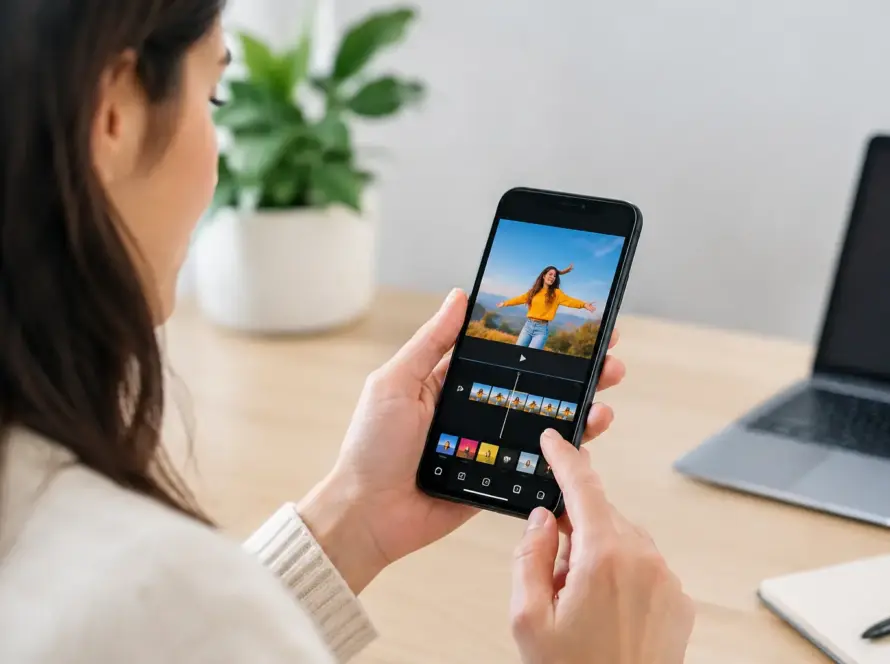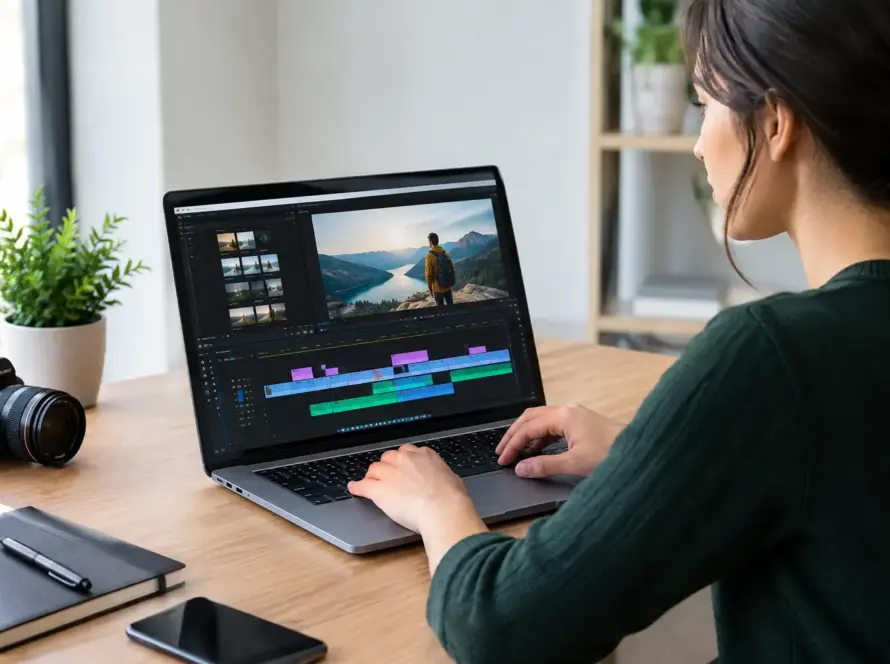
A sound can change a three-second clip from easy to skip into something people replay, quote, remix, and send to friends. That is why music discovery is not just a viewer feature. For creators, it is a creative advantage: a fast way to find the mood, momentum, and cultural cue that gives a video its pull.
Short-form video moves at the speed of attention. A strong visual may stop a scroll, but music often tells people how to feel before the first line of dialogue lands. The right beat can make a comedy punchline sharper, a gaming edit more intense, a fashion transition smoother, or a daily-vlog moment feel personal instead of ordinary.
Why Music Discovery Matters on Short Video
Most people do not look for new music by sitting down to research artists. They find it while watching dance clips, travel edits, cooking videos, fan communities, live moments, and creator challenges. They hear a chorus attached to a feeling, then search the sound, save it, or create their own version.
That behavior turns every short video into a possible entry point for a track. It also gives emerging musicians a chance to reach listeners through context rather than a traditional promotional campaign. A song used in a relatable breakup edit can travel farther than a polished announcement because it gives viewers a ready-made reason to connect with it.
For viewers, discovery feels personal when it reflects what they already enjoy without becoming repetitive. Someone who watches acoustic covers may want indie songwriting, stripped-back versions, or artists with a similar vocal energy. Someone drawn to fast gaming edits may respond to high-tempo electronic sounds, bass-heavy transitions, or dramatic instrumental drops. Relevance creates the first listen. Variety keeps the experience exciting.
For creators, the trade-off is clear: following every trending sound can bring short-term visibility, but it can also make a profile feel interchangeable. The strongest creators use trends as raw material, then add a perspective that audiences can recognize as their own.
Turn Sounds Into a Creative Starting Point
Do not treat music as the final layer added after editing. Start with it when the sound is carrying the idea. Listen for the exact moment where the beat changes, the lyric lands, or the instrumental opens up. That moment can become the foundation for your first shot, transition, reveal, reaction, or caption.
A makeup creator might time a finished look to a chorus drop. A comedian can use a familiar lyric as the setup for an unexpected visual answer. A fitness creator can build an entire set of cuts around a high-energy beat. A musician can create a short original hook that invites singers, dancers, or storytellers to respond in their own style.
The goal is not to force every video into a music trend. Sometimes voice, ambient sound, or silence tells the story better. A tutorial needs clear instructions. A heartfelt message may need room to breathe. A product reveal might work best with a small sonic detail rather than a full track. Good creative decisions come from asking one question: what should the audience feel in the first second?
Search with a purpose
Searching sounds works best when you know the emotion or format you need, not only the artist or song title. Try looking for mood words, genres, themes, or the type of video you are making. Think “nostalgic,” “funny dialogue,” “calm acoustic,” “festival energy,” or “cinematic transition.”
Then study how other creators use a sound. Notice the pacing, the opening frame, the text style, and the audience reactions. Do not copy the video. Identify the convention behind it, then make a version that belongs to your niche. If a sound is popular for before-and-after transformations, a food creator could use it for a recipe reveal, while an artist could use it for a sketch-to-final-piece reveal.
That small shift matters. It lets you participate in the conversation without disappearing inside it.
Save ideas before the trend passes
Inspiration rarely arrives when you have perfect lighting, a finished script, and time to shoot. Save sounds when they catch your attention, even if you cannot use them immediately. Build a mental or written bank around content pillars such as comedy, beauty, gaming, music, daily life, education, and behind-the-scenes moments.
When you are ready to post, you will spend less time scrolling aimlessly and more time choosing a sound that serves a real idea. This is especially useful for creators who post consistently. A saved sound is not a completed video, but it removes one of the biggest blocks: figuring out where to begin.
From Listener to Community Participant
Music discovery becomes more powerful when audiences can do more than listen. They should be able to search a sound, watch related videos, see how different people interpret it, and join the format themselves. That is where a track becomes a community moment.
A dance challenge is the obvious example, but participation can be much wider. Fans can share lyric interpretations, recreate a scene from a music video, use a song for a memory montage, post instrumental covers, or turn a line into a comedy sketch. Each format brings a different audience into the same sound ecosystem.
For artists and music-focused creators, this creates a practical opportunity. Instead of posting only a finished song clip, create multiple doors into the track. Share the story behind one lyric. Post an early demo beside the final version. Ask followers to choose between two hooks. Show the instruments or software behind a beat. Invite creators to build a visual around a section that has a clear emotional payoff.
Short Flixx supports this kind of participation by bringing video creation, sound search, community interaction, AI-powered creative formats, and direct fan engagement into one mobile-first space. The technology matters most when it helps a creator move from a quick idea to a post people can respond to.
Use AI and AR Without Losing the Human Moment
AI-generated music, text-to-video tools, and AR effects can make music-led videos more expressive, especially when you are working with a simple concept or limited production setup. A creator can turn a mood prompt into visual inspiration, animate a still image around an original beat, or add an effect that reacts to a dramatic transition.
But more effects do not automatically make a video more memorable. When every second is packed with filters, captions, cuts, and visual noise, the song and message can get lost. Use immersive tools to amplify the emotion already present in the audio. A dreamy track may need soft motion and color. A high-impact drop may need one clean visual transformation. A funny audio clip may need only your reaction.
Authenticity is still the feature people notice. Show your face, your process, your opinion, your imperfect first take, or the tiny detail that made you laugh. Technology can expand expression, but it cannot replace a point of view.
Build a Discovery Strategy That Lasts
Creators often chase reach one post at a time. A better approach is to build recognizable patterns across your content. If followers know you are the person who finds underrated indie hooks, flips old songs into comedy sketches, or makes sharp gaming edits with unexpected audio, they have a reason to return.
Consistency does not mean using one genre forever. It means giving your audience a reliable creative lens. You can test a new sound, track what holds attention, read comments for clues, and develop follow-up posts when something connects. If viewers ask for a full version, a tutorial, or another edit with the same energy, they are showing you what deserves more attention.
Be thoughtful about rights and platform rules, too. A popular sound may not be available for every purpose, and content usage permissions can vary. Original music gives artists and creators more control, while approved in-platform sound options can make trend participation easier. The right choice depends on your content goal, audience, and how you plan to monetize or distribute the work.
The next sound you save could become more than background music. Give it a point of view, invite people into the idea, and let your audience turn a listen into their own creative response.